The Complete Guide to Digital Book Publishing in 2025: From Manuscript to Global Readers
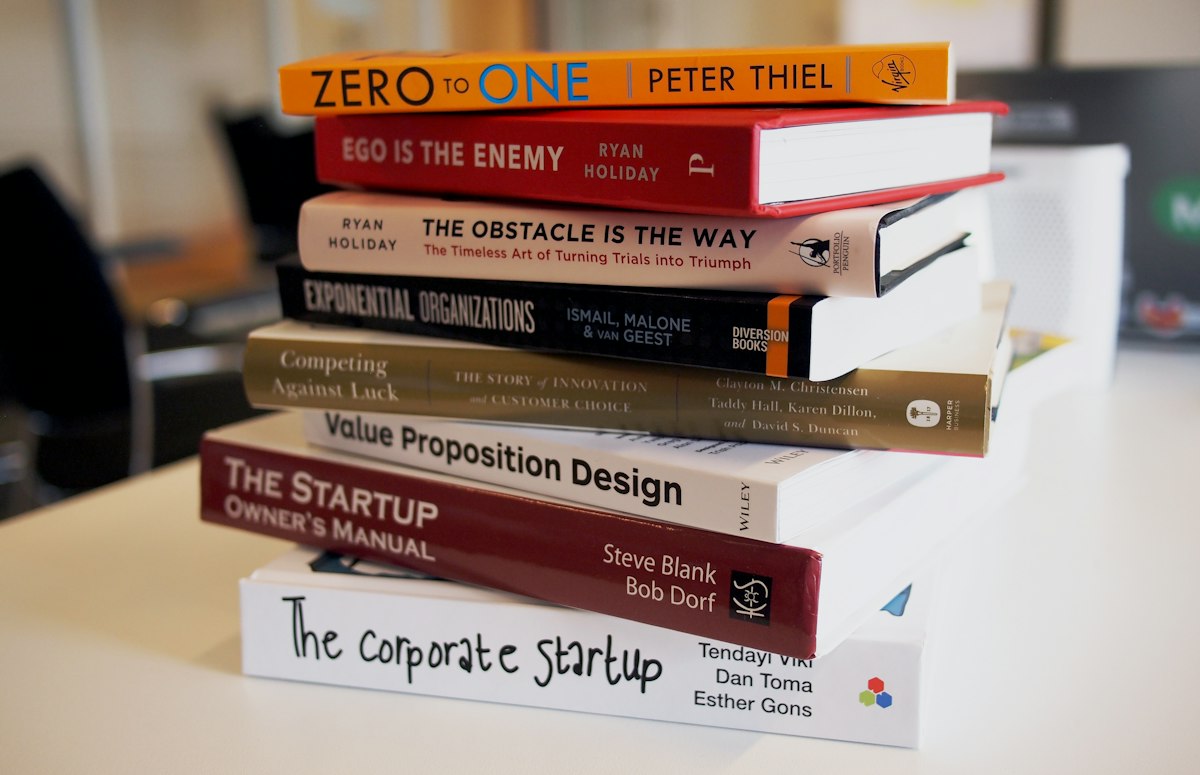
The gatekeepers are gone. For centuries, getting a book into a reader's hands required navigating a labyrinth of agents, editors, print runs, and distribution deals. In 2025, a first-time author in Jaipur can publish a beautifully formatted eBook, protect it with military-grade DRM, and have it read in London, Toronto, and Singapore - all before their morning chai gets cold.
Why Digital Publishing Has Won
Traditional publishing takes 12 to 24 months from manuscript acceptance to bookshelf. Digital publishing takes days. More importantly, the economics have completely flipped:
- Traditional royalties: 8 to 15% of net revenue after the publisher recovers production costs.
- Direct digital publishing royalties: 70 to 90% of the sale price, with no middlemen.
For non-fiction, academic, and professional content, the case is even more compelling. A medical textbook that would cost Rs. 2,500 in print can be distributed as a DRM-protected eBook for Rs. 499, dramatically expanding readership while maintaining controlled access.
The 5-Step Digital Publishing Workflow
Step 1: Manuscript Preparation and Formatting
The foundation of any great eBook is clean, well-structured content. Use tools like Microsoft Word or Scrivener for writing, but always export to formats your publishing platform accepts. The gold standards are EPUB3 (for reflowable text like novels) and PDF (for fixed-layout content like textbooks, illustrated guides, and academic papers). Pay attention to heading hierarchy, image resolution (72 DPI for screen, 150+ for print-quality eBooks), and accessibility metadata like alt text for images.
Step 2: Cover Design That Sells
In a digital storefront, your cover is a thumbnail - roughly 160x250 pixels on most screens. It must communicate genre, tone, and professionalism at a glance. Invest in a professional designer. A cover is not a cost; it is a marketing asset that works around the clock.
Step 3: Digital Rights Management (DRM)
DRM is the lock on your digital product. Without it, a single purchased copy can be shared across millions of devices, destroying your revenue. But DRM is not just about piracy prevention. Modern DRM systems, like those built into Pacibook, offer features like:
- Watermarking: Embed buyer identity into every copy, making leaks traceable even without hard locks.
- Device limits: Control how many devices a single license can access.
- Expiry controls: Sell time-limited access for courses or lending programs.
- Geographic restrictions: Publish different editions for different regions with different pricing.
Step 4: Metadata Optimization for Discovery
Your eBook's metadata is its SEO. Title, subtitle, description, keywords, and category selection determine whether a reader finds your book or your competitor's. Research keywords using tools like Publisher Rocket or Amazon's autocomplete. Write descriptions that open with a hook, not a synopsis. Treat your description like a sales page, because that is exactly what it is.
Step 5: Distribution and Analytics
Modern publishing platforms offer analytics dashboards showing you which chapters readers abandon, how long they spend per page, and whether they return. This data is gold for refining future editions and understanding your audience. Pair this with a direct sales channel (your own website or platform) to keep 100% of the revenue on direct sales while using aggregators for discovery.
Institutions, Libraries, and Bulk Publishing
For educational institutions, hospitals, corporates, and government bodies, digital publishing unlocks an entirely different use case: the institutional digital library. Instead of purchasing 500 physical copies of a training manual that becomes outdated in 18 months, an organisation can subscribe to a living digital document that is updated in real-time and accessed by all staff on any device.
Platforms like Pacibook are purpose-built for this model, offering institutional licensing, role-based access, multilingual support, and integrated Q&A powered by AI - turning static documents into interactive knowledge bases.
The Indian Market Opportunity
India has over 600 million internet users and a deeply literate population hungry for quality content in English, Hindi, and regional languages. Yet the digital publishing infrastructure has lagged behind. This is the opportunity. Publishers, educators, and authors who move decisively into digital now will own a market that is still being defined.
"The best time to plant a tree was 20 years ago. The best time to publish your first eBook is today."
At Innovativus, through our Pacibook platform and Book Publishing services, we help publishers, institutions, and independent authors build their complete digital publishing infrastructure - from DRM to multilingual distribution to AI-powered reader tools. Talk to us if you are ready to take your content global.
Written by
Prashant Mishra
Founder & MD, Innovativus Technologies · Creator of Pacibook
Technologist and AI engineer with a B.Tech in CSE (AI & ML) from VIT Bhopal. Builds production-grade AI applications, RAG pipelines, and digital publishing platforms from New Delhi, India.